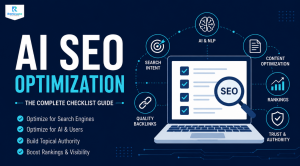

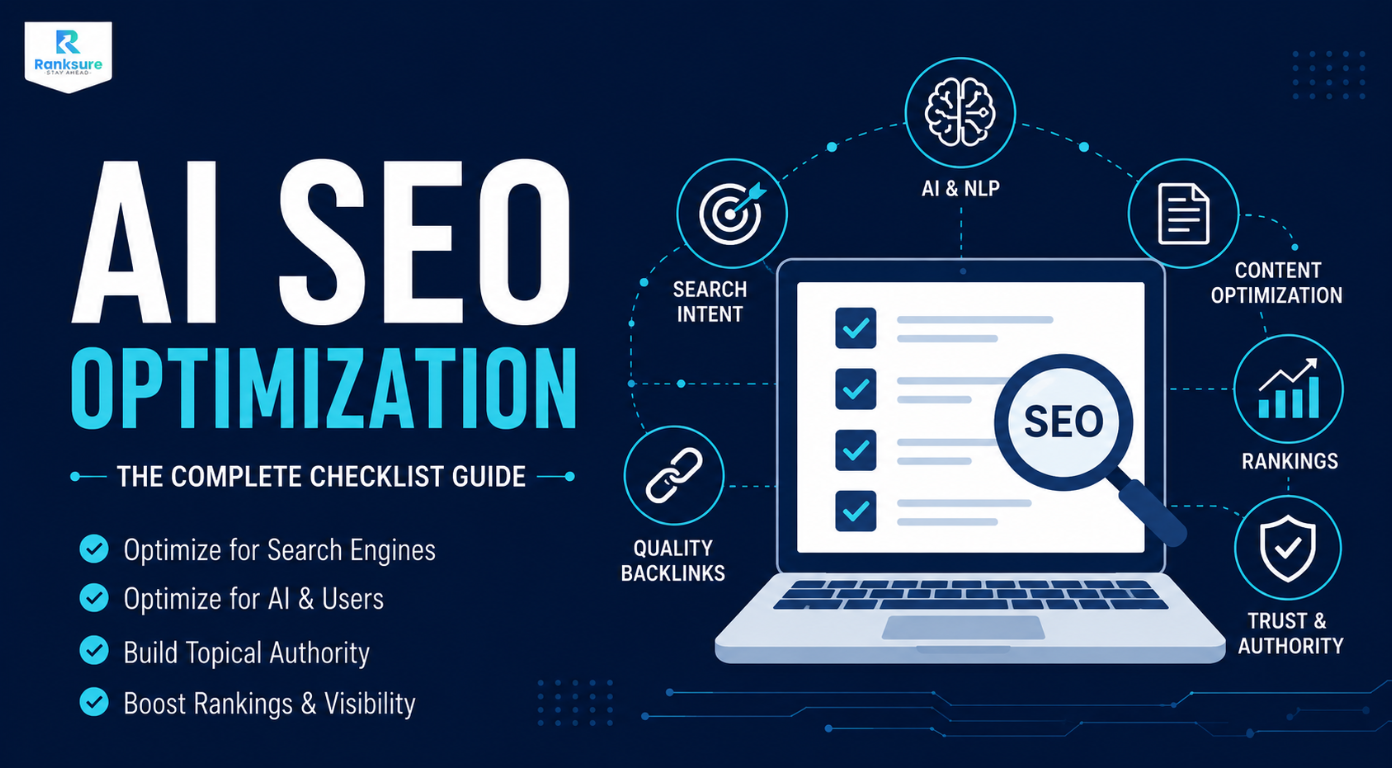
AI-powered search is changing how content is discovered, ranked, and summarized. A strong SEO strategy now needs to satisfy traditional search engines while also making content easy for AI systems to understand, extract, and reference.
Use this checklist to review your content before publishing or updating a page. It covers search intent, semantic relevance, entity optimization, E-E-A-T, technical SEO, readability, and AI-friendly content structure.
| Serial No. | Checklist Point | One-Line Description |
|---|---|---|
| 1 | Search Intent Match | Ensure the content directly answers what users want to learn, compare, or buy. |
| 2 | Primary Keyword Placement | Use the primary keyword naturally in the title, H1, introduction, URL, and meta description. |
| 3 | Semantic Keywords | Include related terms, entities, synonyms, and supporting topics to improve topical relevance. |
| 4 | Clear Heading Structure | Organize the content with one H1 and logically arranged H2 and H3 headings. |
| 5 | Direct Answer Summary | Provide a clear answer near the beginning to improve AI Overview and featured snippet visibility. |
| 6 | Entity Optimization | Mention relevant people, places, products, services, organizations, and industry terms with context. |
| 7 | Topical Completeness | Cover the main question, related subtopics, processes, benefits, risks, costs, and common concerns. |
| 8 | Original Information | Add expert insights, examples, statistics, comparisons, or first-hand experience competitors lack. |
| 9 | E-E-A-T Signals | Show experience and credibility through author details, trusted sources, evidence, and transparent claims. |
| 10 | Readable Formatting | Use short paragraphs, tables, headings, and focused lists to make content easy to scan. |
| 11 | Internal Linking | Link to relevant supporting pages using descriptive anchor text to build topical authority. |
| 12 | External Citations | Reference trusted and original sources to support statistics, legal details, and factual claims. |
| 13 | FAQ Optimization | Answer relevant user questions briefly and clearly without repeating the main content. |
| 14 | Structured Data | Add suitable schema markup such as Article, FAQ, Product, Service, or LocalBusiness schema. |
| 15 | Meta Title and Description | Write an accurate, keyword-focused title and description that encourage search users to click. |
| 16 | Image Optimization | Use descriptive file names, compressed images, responsive sizing, and accurate alt text. |
| 17 | Page Experience | Improve loading speed, mobile responsiveness, navigation, layout stability, and accessibility. |
| 18 | Content Freshness | Review outdated facts, links, statistics, dates, screenshots, and recommendations regularly. |
| 19 | Conversion Optimization | Add relevant calls to action that match the user’s stage in the search journey. |
| 20 | AI-Friendly Language | Write clear factual sentences with defined terms, specific context, and minimal vague wording. |
AI SEO optimization is not about adding more keywords or writing longer content. It is about creating clear, accurate, well-structured, and trustworthy information that fully answers the user’s search intent.
Before publishing, confirm that the page is useful for readers, easy for search engines to crawl, and simple for AI systems to interpret. Review the checklist regularly, update outdated information, and track rankings, traffic, engagement, and conversions to identify areas for improvement.