

Sales rarely stay steady when marketing works without a clear system. You may run ads, publish content, or update your website, yet leads still arrive in waves. Some weeks feel busy, others feel quiet. That pattern often points to a missing structure behind your acquisition strategy.
This blog explains how lead generation marketing helps you attract interested prospects and turn them into consistent sales opportunities. You will see how targeted traffic, optimized landing pages, and performance tracking work together.
When these parts align, marketing starts feeding your sales pipeline in a steady and predictable way.
Why Lead Generation Marketing Creates Predictable Revenue
Many businesses rely on scattered marketing activity. They run a campaign for a while, pause it, then try another tactic later. Leads appear during the active period but disappear once the effort stops. A structured strategy changes that pattern.
Turning Audience Intent into Opportunities
People rarely contact a business without doing some research first. They search online, compare services, read reviews, and visit several websites. That behavior gives you a chance to reach them before they make a decision.
When you focus on intent, you connect with people already searching for solutions. A person who searches for a specific service often plans to act soon. Your marketing should appear at that moment.
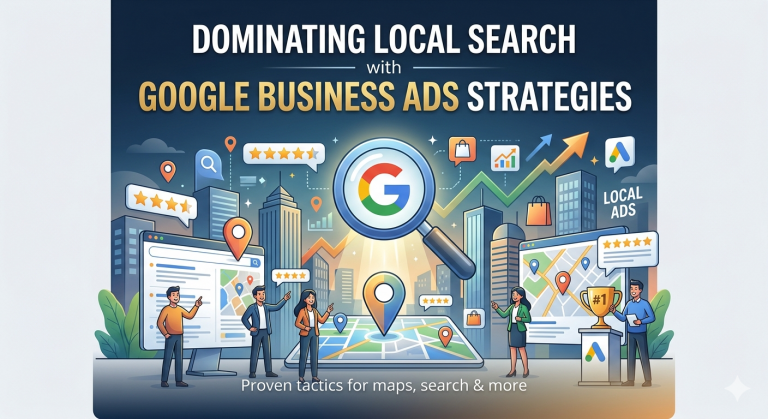
Paid search campaigns help you do this. Your ads appear when someone types a relevant query. The visitor arrives on your website because they want information or a solution. That simple shift, from broad awareness to targeted intent, changes the quality of leads you receive.
Traffic alone does not mean much. Interest matters more than volume. When visitors arrive with a purpose, they move closer to becoming customers.
Building a Consistent Sales Pipeline
Sales teams perform better when leads arrive regularly. A random stream of inquiries forces teams to chase opportunities or wait for the next campaign.
A structured pipeline changes the rhythm. Marketing attracts prospects, collects their information, and sends qualified contacts to the sales team. Over time, the process becomes predictable.
You start to notice patterns. Some campaigns produce steady inquiries. Others perform better during certain seasons. Data reveals what works.
Businesses that apply lead generation marketing often see this shift clearly. Marketing stops acting like a series of isolated campaigns. It becomes a system that feeds opportunities into the business every week.
Key Components of a High-Performing Lead Generation Strategy
Many businesses think advertising alone will generate leads. Ads can attract attention, but several elements must work together before someone shares their contact information.
High-Intent Traffic Through Paid Campaigns
Paid search campaigns help you reach people who already show interest in your service. A user types a specific phrase, clicks an ad, and arrives on a page designed to answer their question.
That moment matters. The visitor is already searches for something related to your business. Your job is to present a clear solution.
Performance-driven campaigns focus on conversions rather than impressions. Clicks matter only when they lead to action. Marketers test keywords, audience targeting, and ad messages to attract qualified visitors.
At Ranksure, we often see how businesses improve lead quality after refining their paid search campaigns. Instead of chasing high traffic numbers, they focus on users who show real buying intent.
Conversion-Focused Landing Pages
A visitor might click your ad because the message sounds promising. What happens next depends on your landing page. If the page feels clear and easy to understand, visitors are more likely to take action.
A strong landing page usually includes:
- A clear headline
Visitors should understand your offer within seconds. Short, direct headlines often work better than long explanations.
- A concise description of the offer
A brief explanation helps visitors see the value quickly without reading large blocks of text.
- Simple lead capture forms
Many people hesitate when forms ask for too much information. Limiting the form to a few essential fields often improves response rates.
- Trust signals
Testimonials, certifications, or short success stories help visitors feel confident about sharing their contact details.
- Focused page design
Removing unnecessary distractions helps visitors stay focused on the main action you want them to take.
Integrated Performance Marketing
Campaigns perform better when every part of the process connects. Paid ads attract visitors, landing pages capture information, and analytics measure performance.
When teams review this data together, patterns become clear. Certain keywords produce stronger leads. Some landing pages convert better than others.
Our team at Ranksure often approaches campaigns this way. We look at the entire journey, from the first click to the final inquiry. Each step contributes to stronger performance.
Conclusion
Sales consistency rarely appears by accident. It grows from a system that attracts the right audience and converts interest into action. When businesses combine targeted traffic, clear landing pages, and ongoing campaign analysis, their marketing efforts begin to produce steady results.
You may still adjust campaigns from time to time. Markets shift and customer behavior changes. Yet a structured approach keeps the pipeline active.
Consistent sales shouldn’t be a guessing game. Contact the Ranksure team for a free Lead Gen Audit and see exactly where your pipeline is leaking.
FAQs
What is lead generation marketing?
Lead generation refers to strategies that attract potential customers and collect their contact information. Then, businesses follow up with those prospects and guide them toward making a purchase.
How does performance marketing help generate leads?
Performance marketing is about measurable outcomes such as conversions or inquiries. Campaigns run with clear goals, and marketers adjust targeting, ads, and landing pages based on real data.
Which channels work best for generating leads online?
Paid search advertising often works well because it targets people actively searching for solutions. Businesses also use social ads, landing pages, and retargeting campaigns to capture inquiries.
How quickly can lead generation campaigns produce results?
Paid campaigns can start generating leads within a few weeks. Results improve as marketers analyze data and refine targeting, messaging, and landing pages.
What makes a lead generation strategy successful?
Strong strategies combine intent-driven traffic, simple conversion paths, and ongoing campaign testing. Businesses that review performance data regularly tend to achieve more consistent results.