
Have you noticed how people stop clicking ten blue links and start asking one direct question instead? That shift changes how you earn attention in the U.S. market. If your content still chases only Google rankings, you leave a newer channel on the table: AI answer engines that pull sources, quote them, and guide decisions in one screen.
That is why perplexity SEO consulting services are now next to classic SEO in serious growth plans, not as a trend, but as a practical move.
The Shift from Traditional SEO to Perplexity SEO Consulting Services in 2026
Traditional SEO still works when you target long-tail queries, local intent, and high-quality link building. Yet you also need a second track because Perplexity-style search does something different. It does not just rank pages. It reads across sources, extracts tight answers, and cites what it trusts.
Here is the real driver: AI search rewards “citation-ready” content. That means clear claims, clean structure, strong entities, and evidence that a machine can lift without guessing. You can still win with keywords, but you win faster when you build pages that answer questions in a format AI can quote.
As of mid-2025, Perplexity processed 780 million queries per month, with daily queries around ~30 million. That level of usage creates a real surface for discovery and brand mentions.
So in 2026, the play looks like this:
- Keep your Google foundation.
- Add answer engine optimization, also called AI search optimization or generative engine optimization (GEO).
- Track citations and brand visibility, not only clicks.
That blend explains why so many teams treat AI visibility as a new line item in their SEO roadmap.
How Perplexity SEO Consulting Services Bring Long-Term Comfort and Business Value
People want quick answers, but they still buy from brands that feel clear and reliable. That is where this approach helps. It builds content that AI can quote fast, and it also makes your site easier for real buyers to read, trust, and act on.
Higher Visibility in AI-Generated Answers
When AI pulls an answer, it often shows a short summary plus a list of sources. You want your site to sit in that source list, because that placement works like a referral from a trusted guide. You earn brand lift even before the click. Then, when the user clicks, they arrive with higher intent because they already accepted your page as “the source.”
Direct Brand Citations Inside Perplexity AI Results
Perplexity citations work like mini endorsements. You do not control them, so you control what increases your odds: strong topical focus, direct answers, and pages that feel complete. When your content covers a topic end to end, AI can quote you for definitions, steps, comparisons, and examples across many prompts.
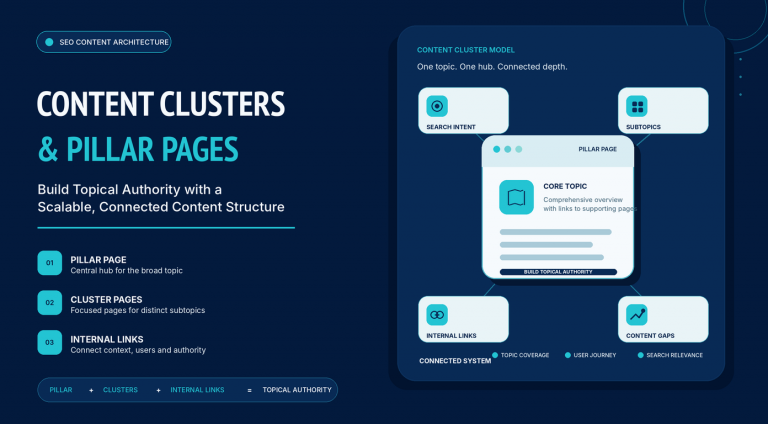
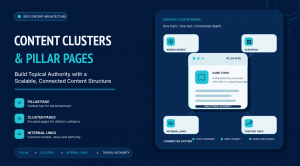
A smart tactic here: publish “anchor” pages that define the topic, then support them with focused “support” pages that cover sub-questions. That creates topical authority with clean internal links and consistent language.
Stronger Authority Signals Through Structured Content
AI models look for patterns that signal credibility. You can feed those signals without sounding stiff. Use tight headings, short lead answers, and proof points that support each claim. Add consistent entity references, like product names, standards, locations, and roles. Put the key answer early, then expand with detail.
This structure helps humans too. Readers skim, decide fast, and move.
Better Conversion Intent from Answer-Based Discovery
Answer engines act like a filter. People ask a direct question, then they see a short list of sources. That means the visitor arrives “pre-qualified.” They often want the next step: a checklist, a calculator, a pricing page, a demo, a consultation.
So your page needs two layers:
- The quote-friendly answer layer for AI and skimmers
- The conversion layer for humans, with clear next actions
That is how you turn citations into pipelines.
Reduced Dependence on Fluctuating Google Rankings
You do not need to ditch Google to reduce stress. You just balance your traffic sources. When you build for both classic SEO and AI answers, you spread exposure across more surfaces.
Here is a simple way to see the difference in how results show up:
| What you optimize for | What users see first | What you measure most |
| Classic organic rankings | A list of links | Rankings, clicks, sessions |
| AI answer engines | A direct answer with citations | Citations, assisted visits, branded search lift |
| Hybrid strategy | Both views across platforms | Full-funnel growth signals |
This hybrid approach feels more stable because one channel does not carry the full load.
Scalable Content Framework for AI Search Ecosystems
Teams win when they treat this like a system, not a one-off rewrite. Build a repeatable framework:
- Map questions by funnel stage
- Publish a hub page, then supporting pages
- Use consistent terms and entities
- Refresh content on a set cadence
- Track what pages earn citations and refine
That system scales across products, services, and locations without reinventing the wheel each time.
How Ranksure Helps Brands Lead in AI-First Search
If you want a clear example of how agencies package this work, look at Ranksure’s positioning around Perplexity-focused optimization. In plain terms, we align content for clarity, structure, and authority so AI answer engines can quote it with confidence. We also keep the work connected to business outcomes, not vanity metrics.
Perplexity AI SEO Services
This track focuses on making your pages easy for Perplexity-style engines to extract and cite. We build content that answers questions fast, then backs those answers with detail that holds up.
Technical SEO and Content Engineering
This track covers the foundation that supports AI and classic crawling: clean site architecture, smart internal linking, and formats that support extraction. It also includes content models your team can repeat.
Digital PR and Authority Building
This track strengthens off-page signals that support trust, like credible mentions, partnerships, and thought leadership. You want your brand name to show up in the right places, because AI systems tend to trust what the web repeats.
Ranksure’s AI-first work gives clients a clean path to new visibility while keeping classic SEO intact. We focus on outcomes that clients can track and defend in reporting.
- AI-first visibility that helps your brand show up as a cited source in answer engines
- Competitive differentiation when your market still relies only on old ranking tactics
- Higher content credibility through clearer structure and stronger topical focus
- A future-ready search strategy that supports Perplexity, ChatGPT-style tools, and Gemini-style answers
- Dual channel growth across search clicks and AI-driven referrals
We also keep execution practical. We map what your buyers ask, we publish pages that answer those questions, and we refine what earns citations. That keeps momentum steady. We do the work with your team, not around your team.
What Businesses Risk by Ignoring Perplexity SEO Consulting Services
This section does not need fear. It needs clarity. When you skip AI-first optimization, you skip a surface where customers already ask questions, compare vendors, and look for proof. You also miss chances to earn “top-of-mind” brand recall through citations and summaries.
A better way to frame it: you can keep traditional SEO and still add AI visibility. The teams that do both usually build a stronger funnel because they meet the buyer earlier, then they guide them to deeper pages later.
If you want the simple goal, aim for this: when someone asks Perplexity a question your customer asks every week, your site should show up as a source.
Conclusion
2026 does not replace classic SEO. It expands the battlefield. When you publish citation-ready content, tighten your topical coverage, and track AI visibility with the same discipline you track rankings, you build a calmer and more predictable acquisition system. If you want to move first and build that system with a clear plan, talk to us and start with perplexing SEO consulting services. Let’s map your priority questions and roll out the first set of pages this month, and we will build from there as a team.
FAQs
Start with a fixed set of target prompts your customers ask. Run those prompts on a schedule, log citations, and note which URLs show up. Then connect that list to analytics by tagging links you control and watching for assisted lift, like higher branded search, more direct traffic, and more demo requests tied to those pages.
Pages that solve a complete job tend to perform well: step-by-step playbooks, comparison pages with clear criteria, pricing and packaging explainers, and “what to do next” guides. You can also win with original frameworks, templates, and tight definitions that people quote.
You can upgrade existing pages when they already target the right topic and show some traction. Add a direct answer at the top, tighten the structure, remove fluff, and expand the proof. Then publish a small cluster of supporting pages so the main page does not sit alone.
Ask for a process, not promises. You want a clear method for question mapping, content architecture, on-site improvements, and citation tracking. Also ask how they report progress, what they treat as success metrics, and how they work with your internal writers or developers.
Yes. Local buyers ask “best near me” questions inside AI tools now. You can win by creating location-led service pages with clear proof, consistent business details across the web, and content that answers local concerns like timing, pricing ranges, and process steps.